How to Measure Dog Collar Size: Easy Guide
Discover how to measure your dog's collar size accurately with our step-by-step guide. We cover tools, adjustments, and collar considerations for a perfect fit, ensuring your dog's comfort and safety.
All the dog news you'll obsess over, in your inbox twice a month.
Discover how to measure your dog's collar size accurately with our step-by-step guide. We cover tools, adjustments, and collar considerations for a perfect fit, ensuring your dog's comfort and safety.
Discover the safe way to remove a dog collar, explore collar types, understand the necessary tools, and learn about alternative options like harnesses and head collars—all aimed at ensuring your furry friend's comfort and overall well-being.
Selecting the right dog collar to curb barking is essential. Consider material, size, and collar type (e.g., citronella, vibration, shock, ultrasonic) while prioritizing your dog's comfort. Combine collars with training, supervision, and professional guidance for effective results.
Explore various dog training collars, from flat to martingale, prong, head, and harnesses. Learn how to choose the right one based on breed, size, behavior, and training goals. Understand positive and negative reinforcement techniques. Ensure a proper fit and avoid common mistakes in training.
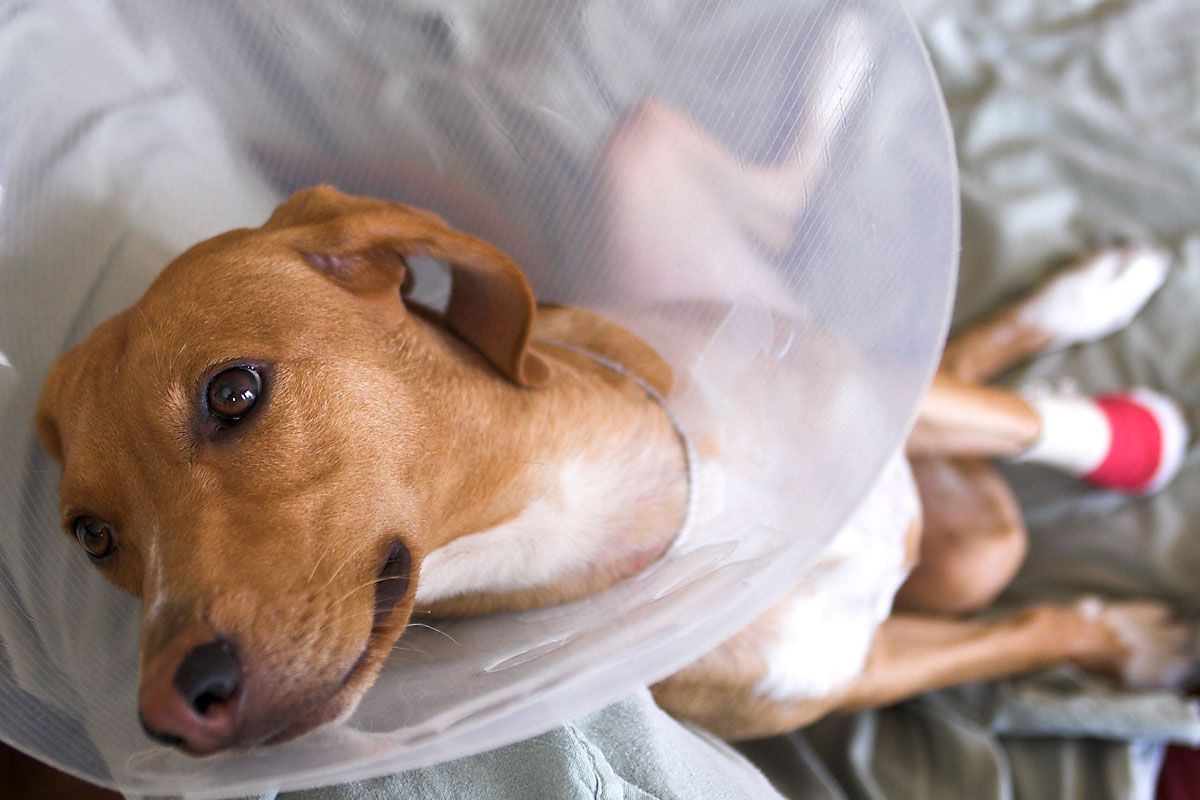
After dog neuter surgery, using an E-collar is vital. It prevents self-inflicted injuries, infections, and ensures an uninterrupted recovery. Typically, dogs should wear it for 7-10 days, but individual factors vary. Consult your vet for guidance.
Flea collars release active ingredients to repel and kill fleas, ensuring long-lasting protection for dogs. Proper fit and safety precautions are crucial. Alternative methods include topicals, oral meds, and flea shampoos for effective flea control and pet comfort.
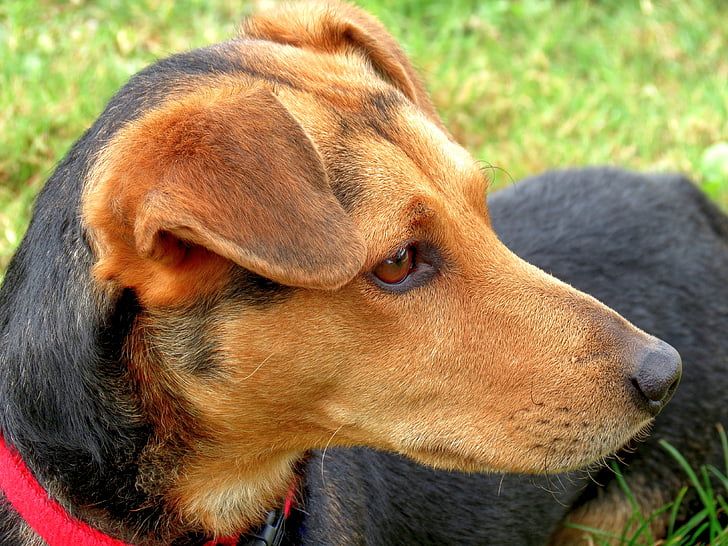
Eliminate skunk odor from your dog's collar effortlessly using common household items such as dish soap, baking soda, and hydrogen peroxide. Our step-by-step guide guarantees a clean, fresh-smelling collar for your furry companion.
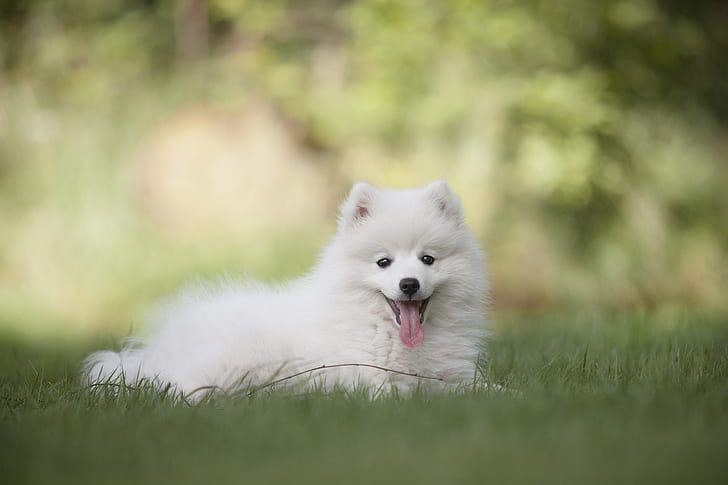
When choosing a collar color for your white dog, consider contrast, personal preference, and safety. Blue, red, black, pastels, or patterns can work. Match color to your dog's personality, age, and the environment. Experiment with different colors to find the perfect fit.
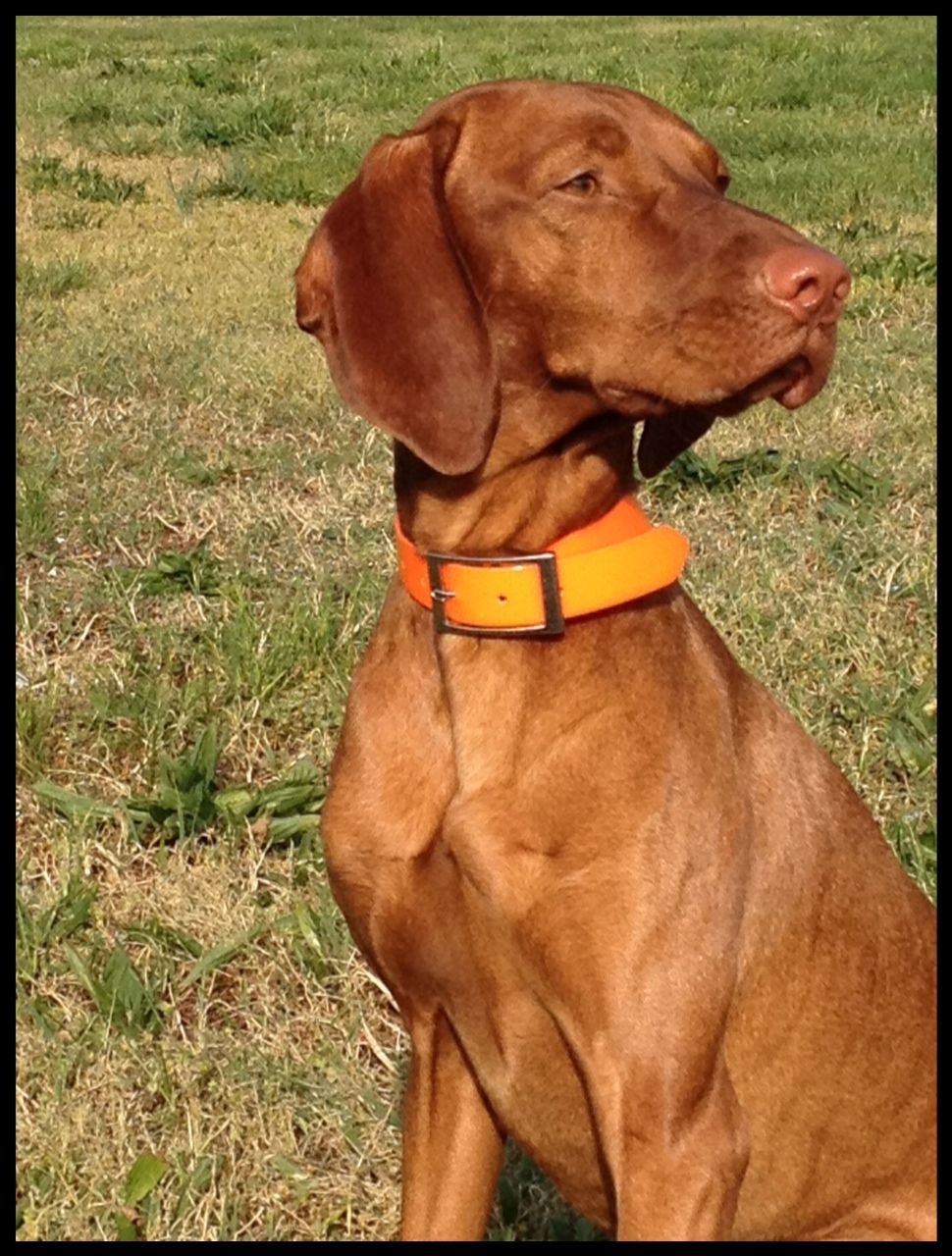
Dog collar colors have meanings. Orange may signify assistance, caution, or training. Context matters. Other colors like blue, green, yellow, red, and purple have specific purposes. Understanding these colors is crucial for interacting with dogs appropriately.